May 15, 2026 · 7 min read · Irha Apparels Editorial
Small Batch Clothing Manufacturer Pakistan — Survival Guide
Small batch manufacturing is not just a low MOQ — it is a different operating model. Inside how a small batch clothing manufacturer in Pakistan structures dye lots, tech-packing and freight for emerging brands.
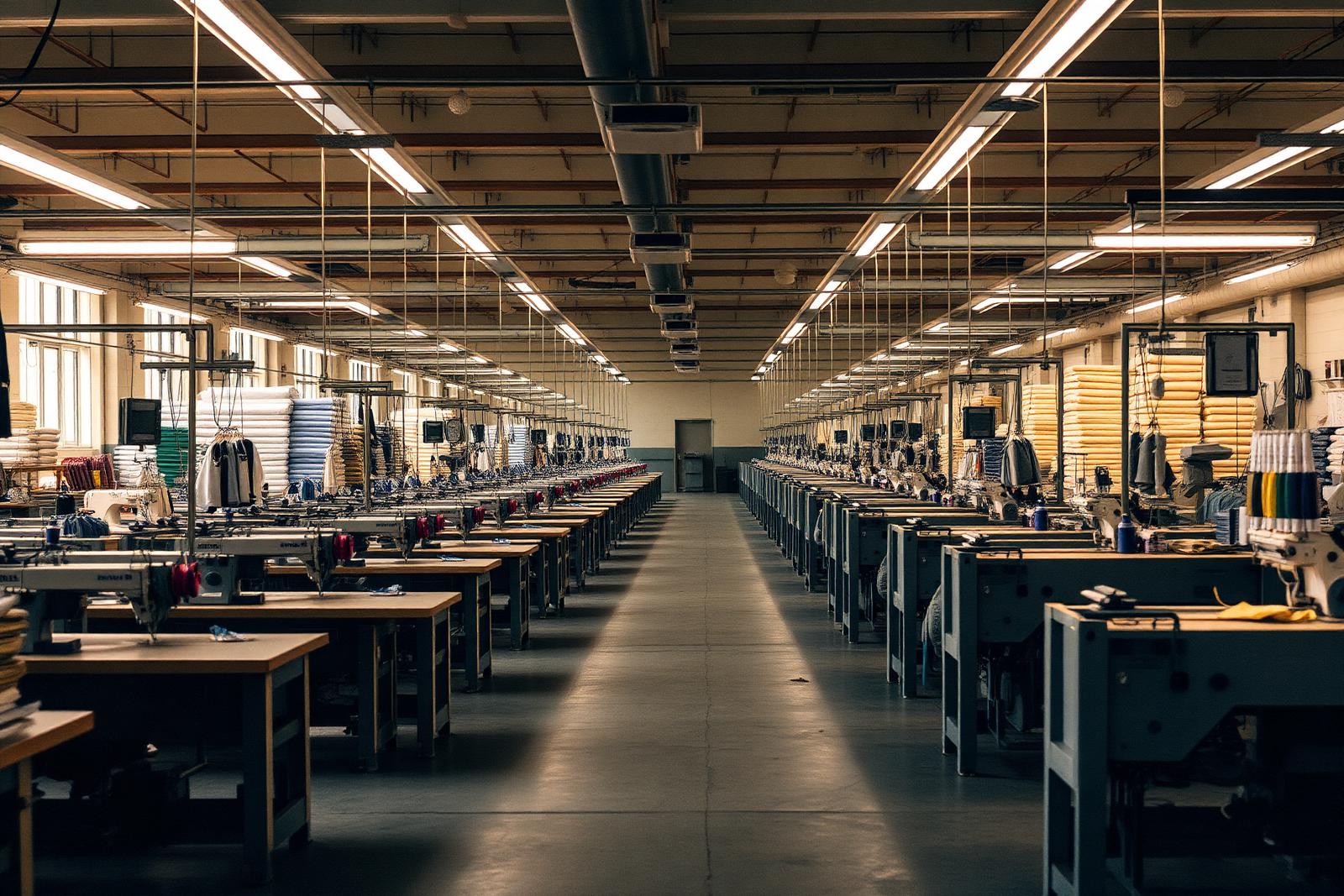
The phrase small batch clothing manufacturer in Pakistan gets used loosely. Some factories advertise it and then quote 300-piece MOQs once you send a tech pack. A real small-batch operation runs MOQ 50, holds dye-lot capacity for low-volume buyers, and amortizes tech-packing and digitizing costs across multiple customers in the same lot. The difference shows up in the quote sheet and in the lead-time email — not in marketing copy.
How small batch works financially
A 50-piece dye lot is uneconomic on its own — fleece dyeing has a minimum batch quantity tied to vat size. Small batch factories solve this by combining 50-piece orders from multiple buyers into a shared dye batch of 300–500 pieces. The buyer's color is locked to a Pantone reference; their 50 pieces come off the same vat as the next buyer's 50 pieces in a different colorway. Setup cost is shared; per-unit cost stays close to bulk pricing.
What you sacrifice and what you keep
- You keep: same fabric, finishing, trims and quality as a 500-piece order
- You keep: full size split XS–3XL inside the 50-piece minimum
- You sacrifice: priority on rush bookings; small batches get scheduled around larger ones
- You sacrifice: some custom-trim flexibility — drawcords, zippers and hardware are sourced from stock library, not bespoke
Tech-packing for small batch buyers
A small batch factory provides tech-pack support free on confirmed POs because most startup buyers do not arrive with a printed tech pack. The factory tech-packer converts a reference garment, a sketch or a Pinterest mood board into a production-ready spec sheet — graded across sizes, with seam allowances, stitch types, label placement, fabric weight and care instruction language. Without this service, MOQ 50 buyers would need to hire a freelance tech-packer at USD 200–500 per design.
Lead time profile
45 days FOB Sialkot is the standard window. Sportswear (sublimation, no dye lot) runs faster at 25–35 days. Lederhosen and leather run slower at 55–70 days. Small batches sit inside the same production calendar as larger orders — the factory does not run a slower line for them.
Freight options for small orders
Sea freight LCL (less-than-container-load) is the default for 50–200 piece orders. A pallet of hoodies to Hamburg, London or New York runs USD 250–500 plus destination charges. Air freight from Sialkot or Lahore is USD 4–7 per kilogram for AOG-style small parcels. DDP shipments are quoted on request and add 20–30% to the FOB unit cost depending on the destination tariff.
Compliance is not optional for small batch either
Every shipment ships with OEKO-TEX Standard 100, REACH declaration, BSCI summary, Sedex SMETA reference, GSP Form A and certificate of origin — the same paperwork that a 5,000-unit container gets. There is no compliance shortcut for small batch; the factory's audit applies to every unit it ships.
"Small batch is an operating model — it shows up in dye-lot management and tech-packing economics, not in fancier marketing."
Choosing the right small batch partner
Ask three questions: what is your actual MOQ per dye lot, do you provide free tech-packing on confirmed POs, and can you show recent invoices for orders in the 50–100 piece range. A real small batch factory answers all three without hedging.
Ready to Source?
Talk to our factory team directly.
WhatsApp the production floor. Replies within 4 working hours.